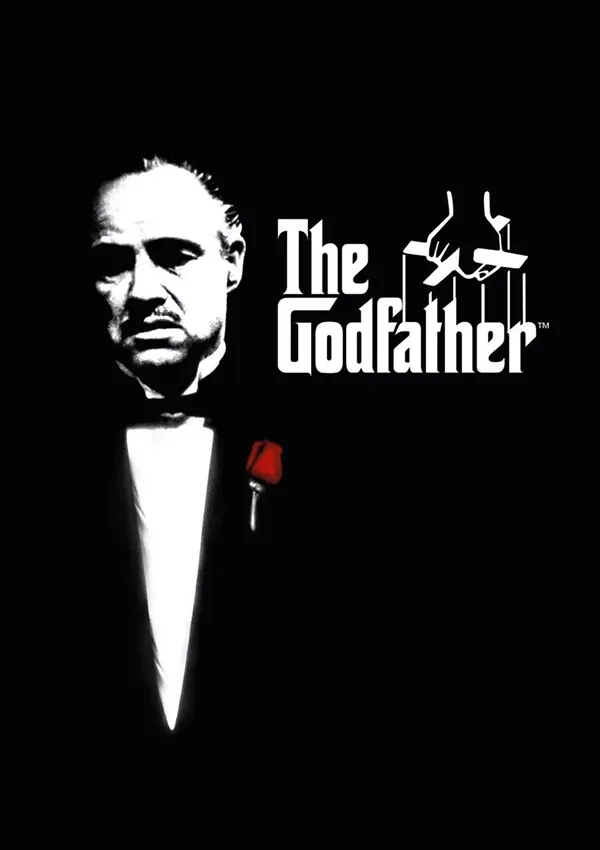
Directed by: Francis Ford Coppola
Starring: Marlon Brando, Al Pacino, James Caan, Diane Keaton, Robert Duvall, John Cazale
🧠 Introduction: The Birth of the New Godfather
The Godfather (1972), widely recognized as one of the greatest films in cinematic history, closes on a note as ambiguous as it is iconic: Michael Corleone, having orchestrated a series of betrayals and assassinations, receives a kiss of loyalty in his father’s old office, as the door quietly closes on his wife, Kay. This final image is so rich with meaning—and so quietly devastating—that generations of viewers have debated its implications for decades. But what does it really mean? What is left unsaid, and what does this ending reveal about power, family, and the cost of Michael’s choices?
🍊 The World That Made Michael
The journey to the film’s haunting final moments is rooted in the slow, almost surgical unraveling of Michael’s morality. Early in the story, Michael is the Corleone who “wasn’t supposed to get involved,” a college boy and decorated war hero who promises Kay he’ll never be like his father. But the world of the Corleones, saturated in codes of loyalty, revenge, and silence, slowly claims him. As threats against the family intensify, Michael steps in—not for ambition, but to protect those he loves. Or so he tells himself.
Coppola’s direction and Mario Puzo’s screenplay force us to watch Michael’s transformation unfold in increments: first in the hospital with his wounded father, then as he volunteers to kill Sollozzo and McCluskey, and finally as he assumes full leadership after Vito’s death. The film never rushes these changes. Instead, every decision is weighted, considered, and seemingly justified. The tragedy is not just what Michael does, but how each act seems, at the time, inevitable.
🔪 The Baptism of Fire: Parallel Lives, Parallel Deaths
The climactic sequence—the baptism montage—remains one of the most powerful examples of parallel editing in film history. As Michael stands in church, renouncing Satan on behalf of his godson, his men simultaneously execute all rival heads of the Five Families. The juxtaposition is chilling: sacred ritual and profane violence are intercut with relentless rhythm, binding Michael’s public virtue to his private ruthlessness.
This sequence makes explicit the moral cost of Michael’s choices. He gains power not through reason or negotiation, but through bloodshed and betrayal. The montage ends with the murder of Carlo, Michael’s own brother-in-law, who had betrayed Sonny. This is not simply an act of justice, but a final, irreversible break from the world of ordinary human feeling.
🚪 The Closed Door: Isolation and Betrayal
In the film’s unforgettable final scene, Kay confronts Michael about his role in Carlo’s death. Michael lies, looking her in the eyes and denying everything. As she leaves the room, Michael’s capos enter to pay respect to the new Don Corleone, addressing him as “Godfather” and kissing his hand. The camera lingers on Kay’s face—confused, devastated, but perhaps still hoping for the truth—as the door closes, shutting her out both literally and metaphorically.
The closing of the door is a masterstroke of visual storytelling. It symbolizes the wall Michael has built between himself and the outside world, between his public persona and his private self, and most painfully, between himself and the woman he loves. The sequence doesn’t need dialogue. The silence is suffocating. Michael has achieved everything he set out to do—secured the family, avenged wrongs, preserved his father’s legacy—but in doing so, he has sacrificed his soul and his most intimate connections.
🎭 Ambiguity and Legacy
For decades, critics and fans alike have debated whether Michael was doomed from the start, or whether the world of the mafia is simply too strong for anyone to escape unchanged. Is Michael a victim of fate, or is he responsible for every step he takes? The film refuses easy answers. Coppola, with operatic restraint, invites us to weigh the pleasures of power against the horror of isolation, the warmth of family against the corrosive effects of secrecy and violence.
The ending’s power lies in its ambiguity. We feel both horror and pity, understanding how Michael could be both savior and destroyer. The camera’s retreat from Kay’s face—her hope, her devastation—reminds us that every act of violence ripples outward, destroying not only the guilty, but the innocent as well.
🎯 Final Thoughts: The Godfather’s Door
The ending of The Godfather is as close to Shakespearean tragedy as American film gets. The closed door is both a period and a question mark—a testament to the costs of power, the price of silence, and the tragic inevitability of transformation. In that final, quiet moment, Michael Corleone becomes what he most feared: not his father’s son, but something colder and more alone. The legacy of this ending is its refusal to let us look away, to force us to consider what we value, what we fear, and what we become when the doors begin to close.
 About
About