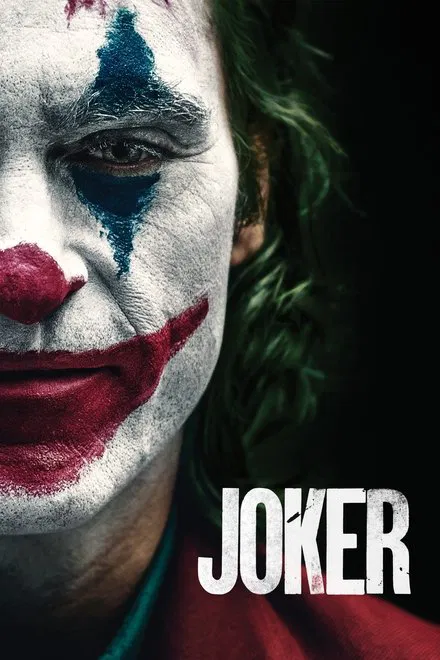
Directed by: Todd Phillips
Starring: Joaquin Phoenix, Robert De Niro, Zazie Beetz, Frances Conroy, Brett Cullen, Shea Whigham
🧠 Introduction: The World That Made a Monster
Joker (2019) is not just an origin story for Batman’s arch-nemesis—it is a searing exploration of mental illness, societal failure, and the birth of an icon. Todd Phillips’s film, anchored by Joaquin Phoenix’s electrifying performance, is a study in unreliable narration, blurred reality, and the dangers of collective alienation. Its ending, simultaneously triumphant and chilling, is a Rorschach test for viewers: what is real, what is fantasy, and what does it all mean for Gotham and for Arthur Fleck?
🌀 The Descent: From Arthur Fleck to Joker
Arthur Fleck is a marginalized, mentally ill clown struggling to survive in a decaying Gotham. Abused by his mother, failed by the system, and mocked by society, Arthur’s transformation is both gradual and explosive. Fantasy and reality collide: imagined relationships with neighbor Sophie (Zazie Beetz), hallucinations, and a series of increasingly violent acts propel him toward his Joker persona.
Arthur’s pivotal appearance on Murray Franklin’s talk show—culminating in the on-air murder of Murray (Robert De Niro)—triggers riots across the city. The downtrodden take up the clown mask as a symbol, and Gotham descends into chaos. The film’s final act is a spiral of violence, delusion, and dark catharsis.
🤡 The Hospital Epilogue: Real or Delusion?
In the closing scenes, Arthur is institutionalized at Arkham State Hospital. He laughs uncontrollably at a joke he “just thought of”—the punchline hidden from the audience. He leaves a trail of bloody footprints, suggesting another act of violence. The line between reality and delusion is deliberately erased: are we watching Arthur’s memories, a fantasy, or a warped version of truth?
🎭 Ending Explained: The Unreliable Narrator and the Power of Myth
The brilliance of Joker’s ending is its embrace of ambiguity. Did any of the events occur as shown, or are they filtered through Arthur’s fractured psyche? Is he the “hero” of his own story, or merely the agent of destruction? The riots, the adulation, the origin of Batman—all are presented as possible, but not certain. The story’s chaos reflects both Arthur’s mind and Gotham’s sickness: a world with no stable truths, only masks and performances.
The final image—Arthur, dancing in a corridor, pursued by orderlies—suggests that Joker is now more legend than man, his story open to endless reinvention. In the world of Gotham, truth is a casualty, and meaning is found not in certainty, but in the stories we choose to tell.
🎯 Final Thoughts: The Punchline Is Us
Joker leaves us with questions, not answers. Its ending is a challenge: in a society that neglects the vulnerable, ignores suffering, and turns trauma into entertainment, who is truly mad? The joke is on all of us, and the punchline—like the truth—is forever just out of reach.
 About
About